Introduction: The Heart of Every Computing Device
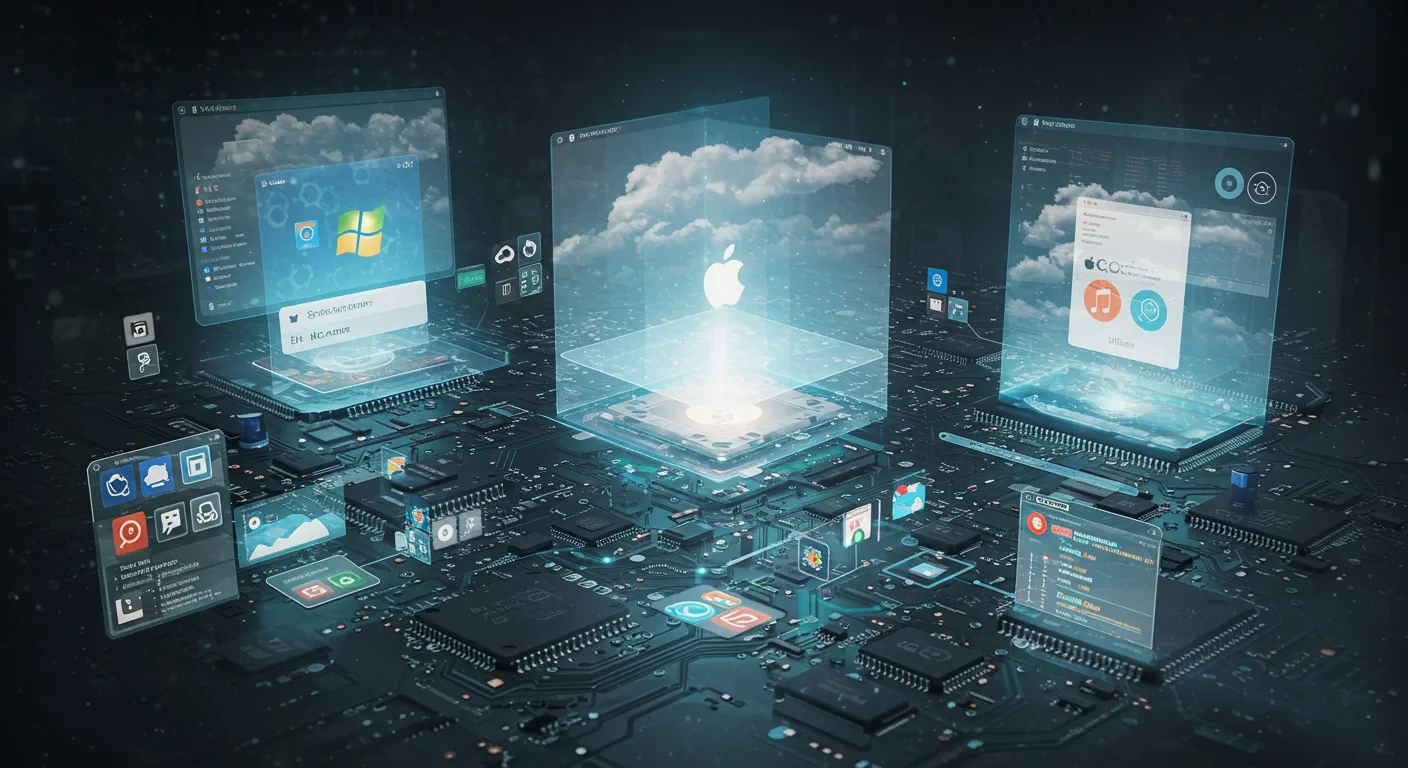
In the vast universe of information technology, we find a fundamental software layer, often invisible to the common user, but absolutely essential for the functioning of any computing device: the Operating System. Whether on a desktop computer, a laptop, a smartphone, a tablet, or even in more complex devices like servers and supercomputers, the Operating System acts as the conductor that coordinates all hardware and software components, allowing the user to interact with the machine intuitively and efficiently.
Therefore, understanding what an Operating System is and how it works is the first crucial step for anyone who wants to understand the inner workings of the devices they use on a daily basis. We have carefully crafted this article for you, the beginner, who is looking to demystify the role of this vital software, as well as understand its importance and functionalities in the world of computing.
Unveiling the Concept: What Exactly is an Operating System?
In essence, an Operating System (OS) is complex software that acts as a bridge between a computer's hardware and the software applications the user wants to run. In other words, it is the fundamental software layer that manages hardware resources (such as the central processing unit – CPU, memory, storage devices, peripherals) and provides essential services for applications to function correctly.
Thus, the main purpose of an Operating System is to make computer hardware usable and accessible to users and applications. It abstracts the complexity of the hardware, offering a consistent interface and a set of services that facilitate task execution and system resource management. Furthermore, the OS is responsible for ensuring the stability, security, and efficient performance of the system as a whole.
The Pillars of Operation: Fundamental Components of an Operating System
Several modules and components make up an Operating System, they work together to manage the hardware and provide services to applications. Some of the most important components include, for example:
The Essential Functions: What Does an Operating System Do?
The Operating System performs a series of crucial functions for the efficient operation of a computer:
A Panorama of Diversity: Main Types of Operating Systems
Throughout the history of computing, various Operating Systems have been developed to meet different needs and types of devices. Some of the main types include:
Operating Systems for Desktops and Laptops:
These are the OSs most familiar to the majority of users, designed for use on personal computers. The most popular examples include:
Operating Systems for Mobile Devices:
Designed for smartphones and tablets, these OSs are optimized for touchscreens, low power consumption, and wireless connectivity. The most popular examples include:
Server Operating Systems:
Designed to run on servers, these OSs are optimized for high stability, security, performance, and the ability to manage multiple users and services simultaneously. Examples include Windows Server, various Linux distributions (like Red Hat Enterprise Linux and CentOS), and macOS Server.
Embedded Operating Systems:
Designed to run on devices with limited resources, such as smart appliances, automotive systems, industrial devices, and other embedded systems. For example, FreeRTOS, embedded Linux, and Android Things.
Real-Time Operating Systems (RTOS):
Designed for applications that require real-time responses to events, such as industrial control systems, medical devices, and aviation systems. For example, QNX and VxWorks.
The Constant Evolution: A Brief History of Operating Systems
The history of Operating Systems parallels the evolution of computing itself. In the early days of computing, there were no OSs as we know them today. Programs interacted directly with the hardware; therefore, the process was complex and machine-dependent.
The 1950s and 1960s saw the emergence of the first batch systems, which automated the sequential execution of tasks. In the 1960s, the concept of time-sharing allowed multiple users to interact with the computer simultaneously.
The 1970s were marked by the development of Unix, an influential OS that introduced concepts like the hierarchical file system and the command-line interface. Finally, in the 1980s, the first OSs for personal computers emerged, such as MS-DOS and Macintosh OS.
The 1990s witnessed the popularization of graphical interfaces with Windows and macOS, making computing more accessible to users. Furthermore, the emergence of Linux as an open-source project also marked an important moment in OS history.
In the 21st century, the rise of mobile devices finally drove the development of OSs like Android and iOS, adapted for touchscreens and wireless connectivity. Additionally, cloud computing also influenced the development of OSs for servers and data centers.
The Continuous Dialogue: How an Operating System Interacts with Hardware
The interaction between the Operating System and hardware is a complex and fundamental process for the computer's operation. The OS uses several mechanisms to communicate with the hardware:
Security First: The OS's Role in System Protection
Security is a growing concern in the digital world, and the Operating System plays a crucial role in protecting the system from threats. Some of the security features implemented by OSs include, for example:
The Future of Digital Orchestration: Trends in Operating Systems
The field of Operating Systems continues to evolve in response to new technologies and changing user needs. Some of the important trends include, for example:
For beginners, understanding these trends can provide insight into the future of computing and the role that Operating Systems will continue to play.
Conclusion: The Essential Conductor of Computing
In summary, the Operating System is the fundamental software that makes interaction between the user and a computer's hardware possible. It manages resources, executes applications, organizes files, and ensures system security. For beginners, understanding the concept, components, functions, and main types of Operating Systems is essential for building a solid foundation in the world of information technology.
Remember that learning is a continuous process. Explore the different Operating Systems available, experiment with different interfaces, and deepen your knowledge of the OS's internal components. As you advance, you will discover the complexity and elegance of this vital software and its indispensable importance in all aspects of modern computing.
Therefore, do not hesitate to dive into the fascinating world of Operating Systems. The knowledge you acquire will help you better understand the functioning of the devices you use every day and prepare you for the challenges and opportunities of technology's future.
Did you like the article Operating Systems – Unveiling the Digital Conductor? Check out more here.